



The Use of Caustic Soda in Drilling Rigs
A small shift in your drilling fluid’s pH can cause big problems. We’re talking about corroded equipment, unstable wellbores, and additives that stop working the way they should. When you’re running a drilling operation, fluid chemistry isn’t just a background detail. It’s one of the things that keeps everything moving safely and efficiently.
That’s where caustic soda comes in. Sodium hydroxide has been a staple in drilling mud systems since the 1930s, and for good reason. It’s affordable, effective in small doses, and handles several critical jobs at once. But it’s also highly corrosive and comes with real limitations depending on your water chemistry. Using it well means understanding both its strengths and its boundaries.
This post covers how caustic soda works in drilling fluids, from pH regulation and contaminant neutralization to clay stabilization. You’ll also find practical guidance on safe handling, proper mixing procedures, storage requirements, and the situations where caustic soda might not be the right choice.
Introduction: Understanding Caustic Soda in Drilling Rigs
What is Caustic Soda (Sodium Hydroxide)?
Walk onto any drilling rig, and you’ll encounter caustic soda as one of the most critical chemical additives in the operation. This powerful compound goes by several names: sodium hydroxide, NaOH, alkali, or simply lye. What makes it so essential? It’s a strong alkaline substance that plays a starring role in keeping drilling operations running smoothly.
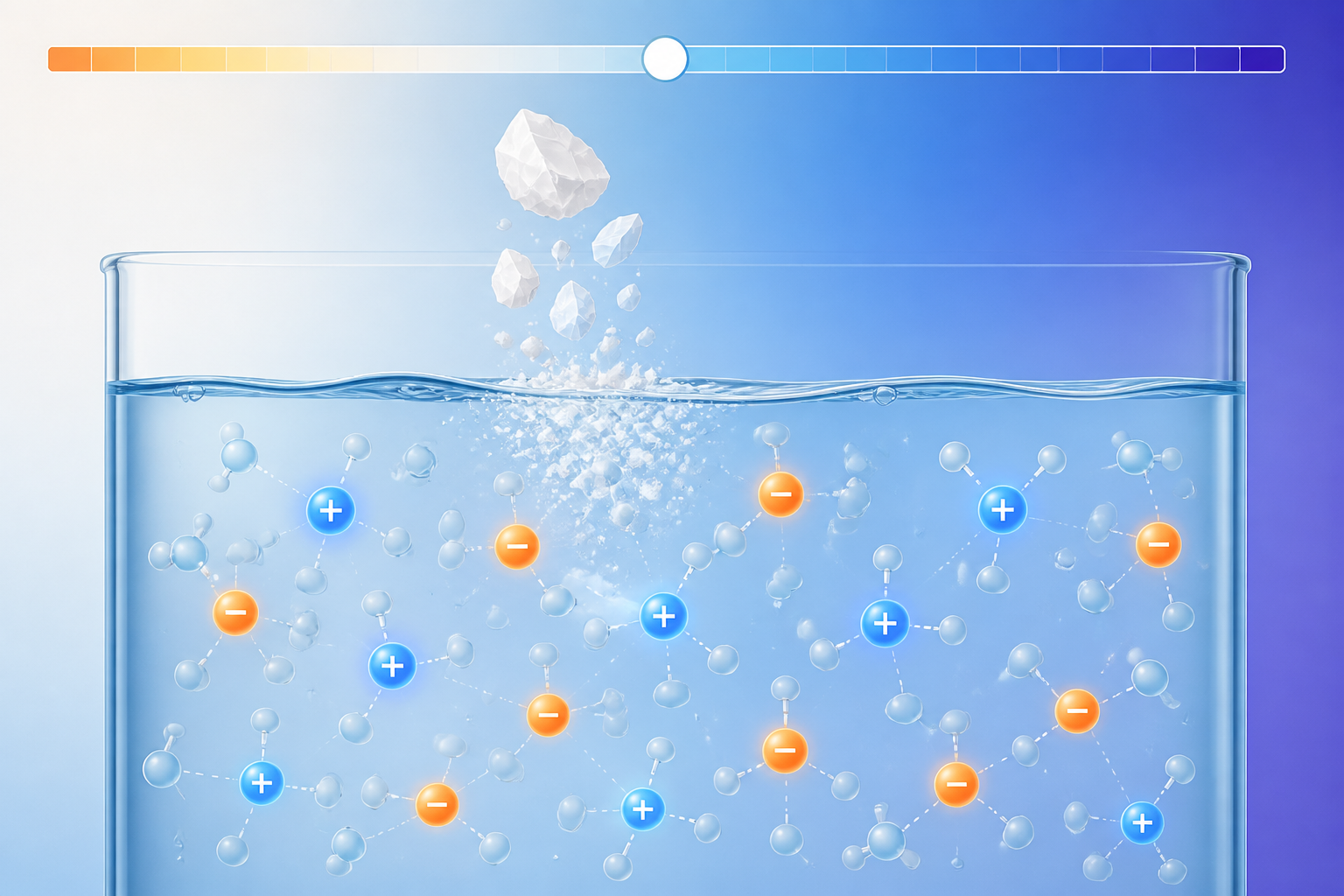
The chemistry here is straightforward. When caustic soda dissolves in water, it breaks apart completely into sodium ions (Na+) and hydroxyl ions (OH-). This complete dissociation is what makes it such a strong base. You won’t find many alkaline compounds that work as effectively in the harsh conditions of a drilling environment.
The history of caustic soda in drilling operations stretches back surprisingly far. Drillers started incorporating it into drilling fluids back in the 1930s, when commercial mud thinning agents first became available. That’s nearly a century of proven performance in the field. The technology has evolved dramatically since then, but caustic soda has remained a cornerstone additive for good reason.
Today, sourcing high-quality caustic soda matters more than ever for drilling operations. Companies like Olin Corporation have built their reputations on providing reliable, industrial-grade sodium hydroxide that meets the demanding specifications of drilling applications. The purity and consistency of the caustic soda you use directly impacts how well your drilling fluids perform downhole.
The Crucial Role of pH Control in Drilling Fluids
Why does pH matter so much in drilling operations? Think about what drilling fluid actually is. Water makes up 95% to 99% of most drilling muds. That means the pH of that water becomes absolutely critical to everything happening in your wellbore.
The target pH range for water-based drilling muds falls between 8.0 and 10.5. This isn’t an arbitrary range. It’s the sweet spot where drilling fluids perform at their best. Stay within this range, and your mud additives work the way they’re supposed to. Your fluid maintains its stability. Your equipment stays protected.
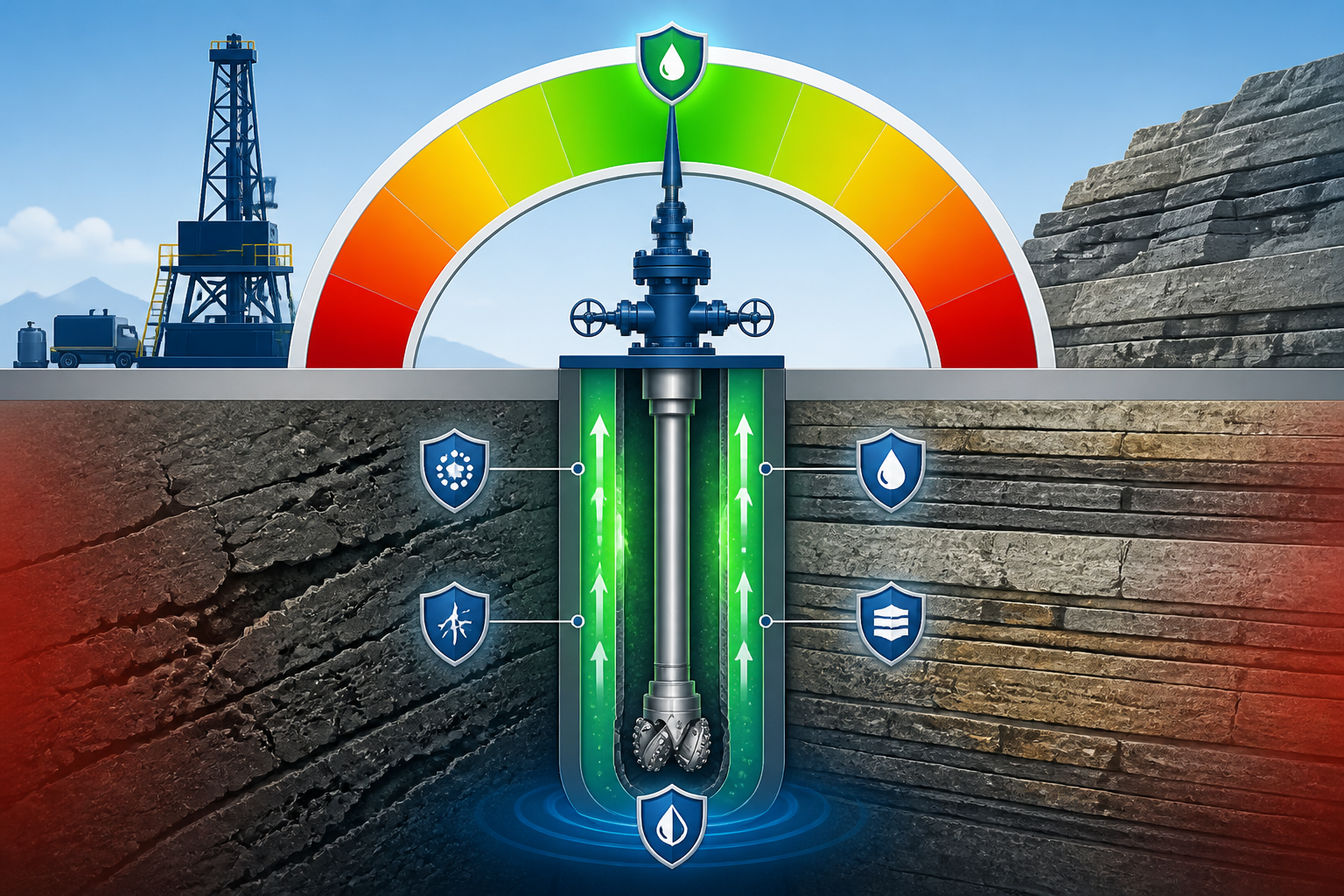
Drift outside this pH range, and problems start piling up fast. The other chemicals and additives in your drilling fluid depend on proper pH levels to function correctly. Without that alkaline environment, chemical reactions can go sideways, destabilizing your entire fluid system. Equipment starts corroding faster than normal. The wellbore itself can become unstable, creating dangerous conditions and costly delays.
The stakes are high. Maintaining proper pH isn’t just about fluid performance. It’s about protecting expensive downhole equipment, preventing wellbore collapse, and keeping operations safe and efficient. Every drilling engineer knows that pH control forms the foundation of a reliable drilling program. Get the pH right, and everything else becomes easier. Get it wrong, and you’re fighting problems on multiple fronts.
Key Functions and Applications of Caustic Soda in Drilling Fluids
pH Regulation and Alkalinity Control
The main job of caustic soda in drilling operations is to bump up the pH and keep the alkalinity of drilling muds right where it needs to be. Think of it as the fluid’s pH guardian. When you’re dealing with water-based drilling fluids, maintaining that sweet spot of alkalinity isn’t just nice to have. It’s absolutely essential for everything else to work properly.
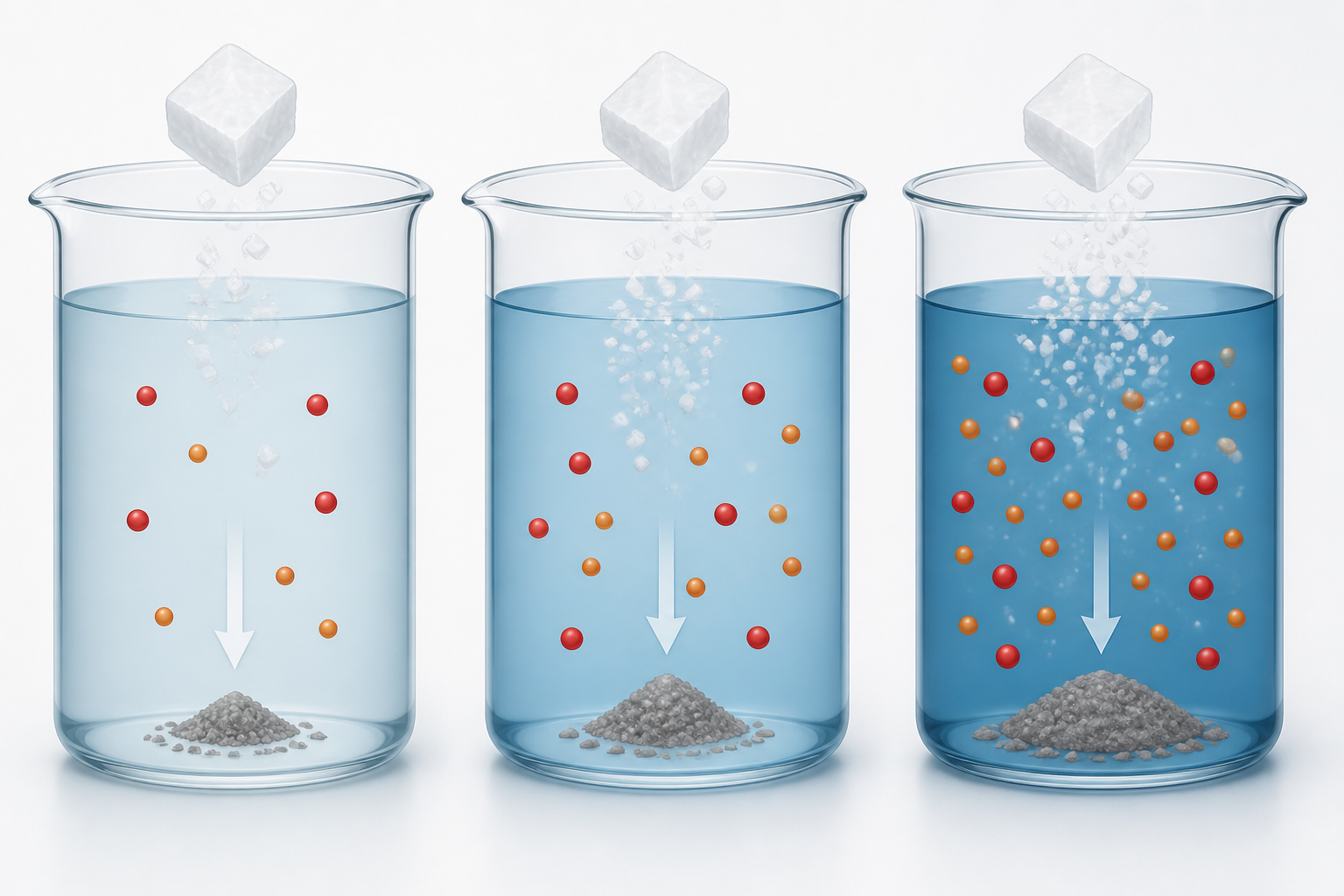
Here’s where things get interesting. When drilling operations use high-hardness waters like seawater, you’ve got magnesium and calcium ions running around causing trouble. Caustic soda steps in and precipitates magnesium (Mg2+) while suppressing calcium (Ca2+) by forming insoluble hydroxides. These troublemakers get converted into solid particles that settle out instead of interfering with your drilling fluid’s performance.
The concentration matters a lot. Most operations use anywhere from 0.25 to 4 lbm/bbl (that’s 0.7 to 11.4 kg/m3 if you’re working in metric). Fresh water on the low end, seawater and buffering salts on the high end. If you’re drilling in the Gulf of Mexico using seawater, you’ll need about 1.5 to 2 lbm/bbl (4.3 to 5.7 kg/m3) to properly precipitate that magnesium and convert the calcium to lime. Every water source is different, so understanding what you’re working with helps you dial in the perfect amount.
Contaminant Neutralization and Corrosion Prevention
Drilling brings unwanted guests to the party. Acidic contaminants show up all the time, and they love destabilizing your carefully balanced drilling fluid. Caustic soda neutralizes these troublemakers before they can wreak havoc.
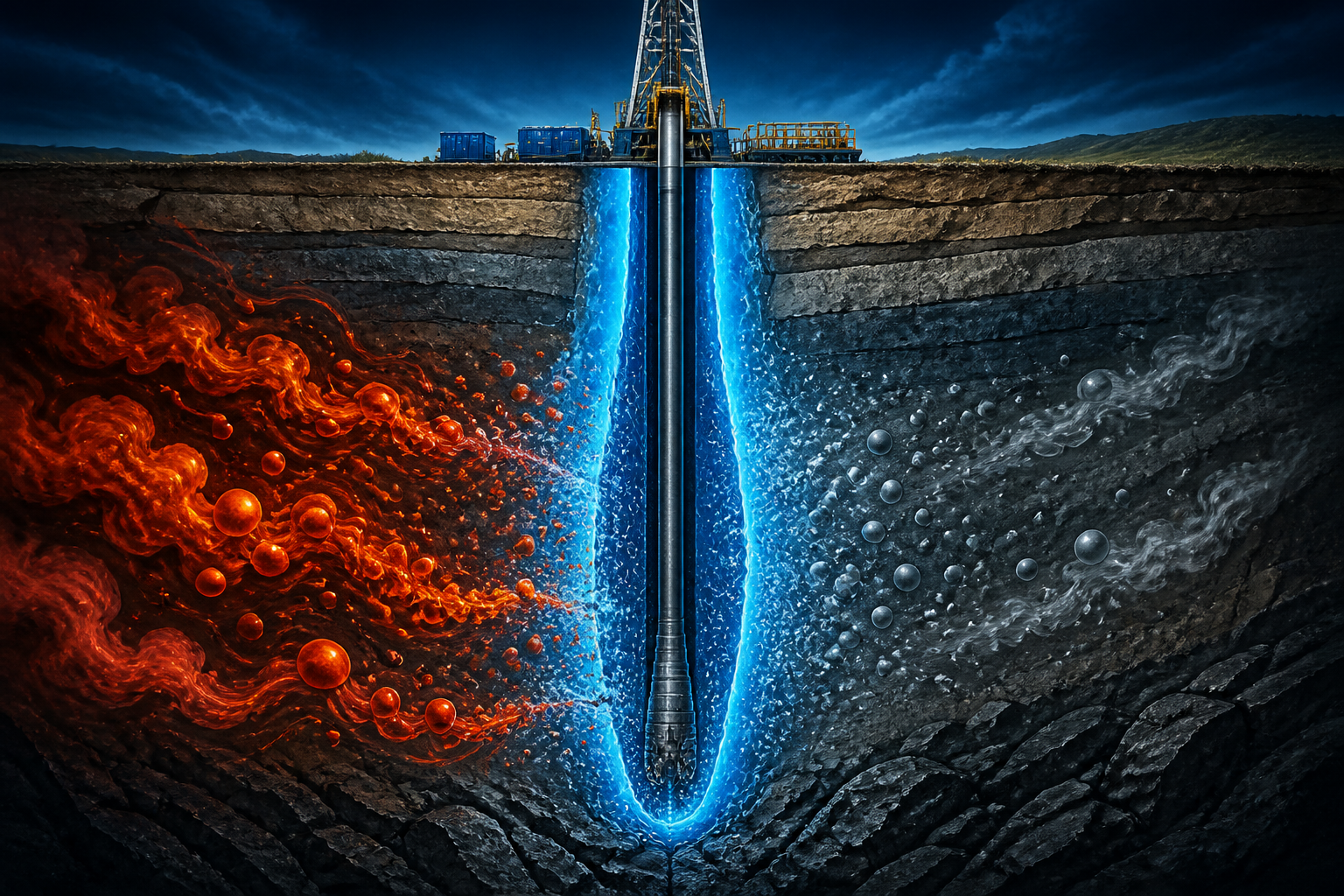 It’s your first line of defense against chemical chaos downhole.
Acid gases are particularly nasty. Carbon dioxide (CO2) and hydrogen sulfide (H2S) get encountered during drilling more often than anyone would like. These gases can turn your drilling fluid acidic in a hurry, but caustic soda neutralizes them effectively. Problem solved.
The corrosion prevention angle is huge. Water-based drilling fluids can be incredibly corrosive to equipment when the pH drops. By boosting that pH back up, caustic soda dramatically cuts down on corrosivity. Your drill string, casing, and downhole tools last longer. Fewer equipment failures mean less downtime and lower replacement costs. It also helps solubilize acidic compounds floating around in the system, keeping everything running smooth.
Clay Stabilization and Enhancing Fluid Properties
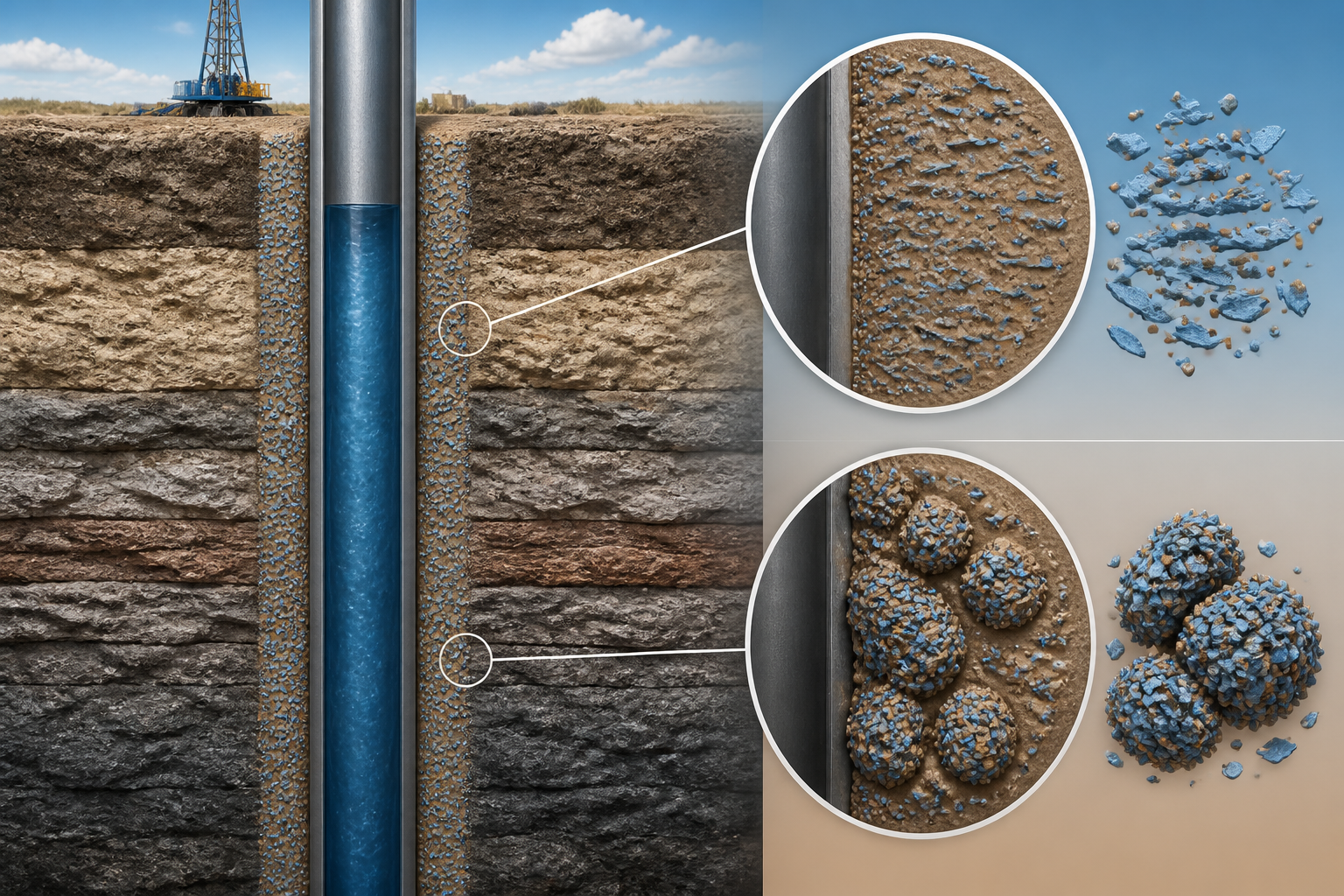
Clay swelling is the enemy of wellbore stability. When clays absorb water and expand, you get stuck pipe, lost circulation, and a whole mess of expensive problems. The high pH environment that caustic soda creates keeps clay swelling to a minimum. Your wellbore stays stable, and formation damage stays low.
There’s another benefit too. Caustic soda actually increases the hydration rate of dispersed clays, which sounds counterintuitive until you understand the chemistry. Properly hydrated clays contribute to better overall fluid performance when they’re controlled. It’s all about balance.
Caustic soda doesn’t work alone. It teams up with other additives to maintain the rheological properties your drilling fluid needs. Viscosity has to be just right for cutting transport and lubrication. Too thin and cuttings don’t make it to the surface. Too thick and you’re pumping molasses. In lime-based drilling muds specifically, caustic soda reduces lime solubility, giving you even tighter control over fluid properties. Everything works together like a well-oiled machine.
Benefits and Advantages in Modern Drilling Operations
Cost-Effectiveness and Wide Availability
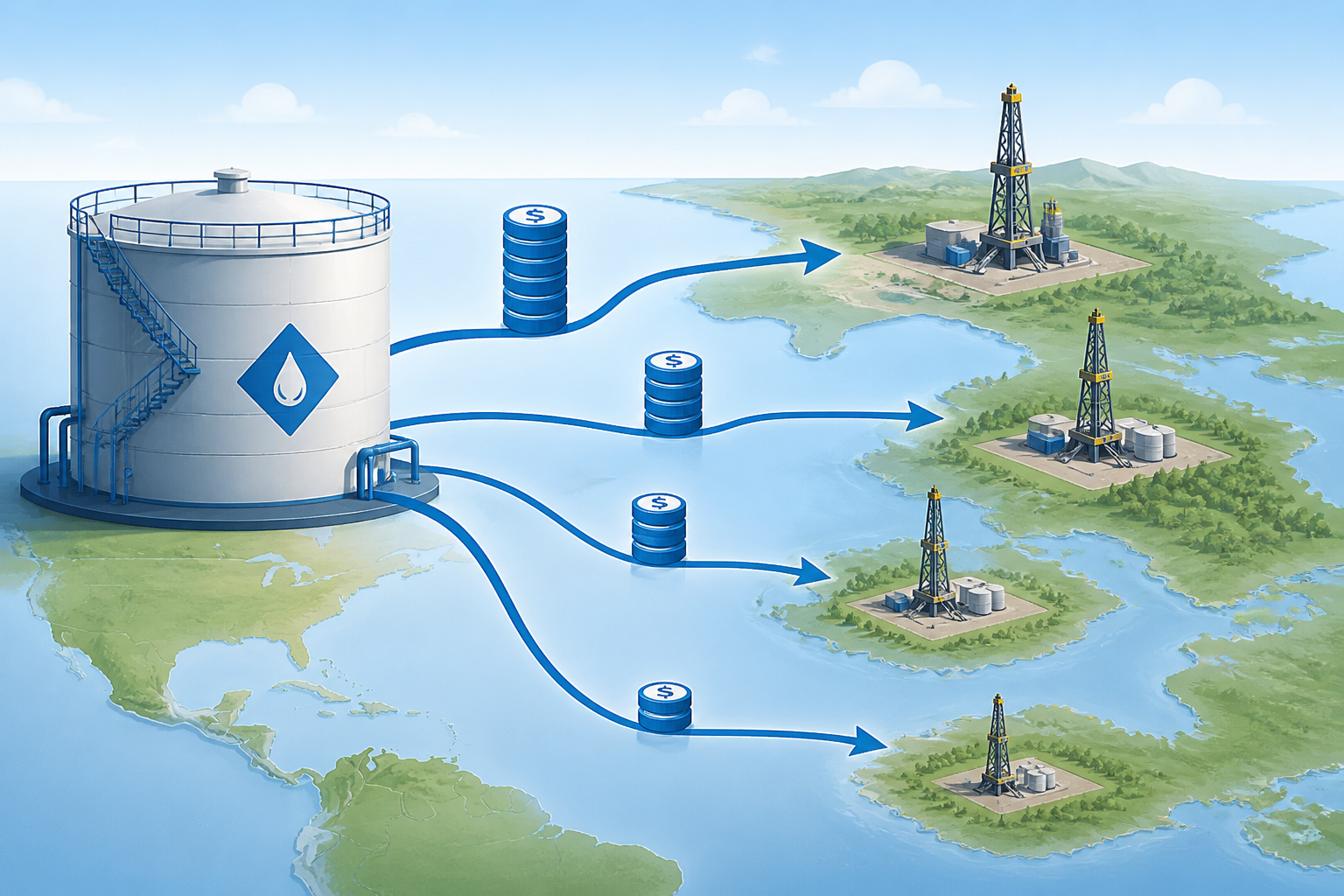
Drilling operations demand tight budget control. Every additive needs to justify its cost. Caustic soda delivers exceptional value because it works at remarkably low concentrations. You don’t need massive quantities to achieve the desired pH levels in your drilling fluids.
The concentrated power of sodium hydroxide means small treatment amounts go a long way. This efficiency translates directly into reduced chemical costs per barrel of drilling mud. When you’re drilling multiple wells or operating several rigs simultaneously, these savings add up quickly. The math is simple: less product needed equals lower operational expenses.
Global availability makes caustic soda an even smarter choice. Unlike specialty chemicals that might face supply chain disruptions or regional shortages, sodium hydroxide is produced worldwide. Industrial suppliers like Olin Corporation maintain consistent production and distribution networks, ensuring drilling operations never face critical shortages. This reliability prevents costly downtime waiting for chemical deliveries.
Predictable performance matters in cost planning. Caustic soda provides consistent results across different water sources and drilling conditions. You can accurately forecast how much you’ll need based on water chemistry analysis. This predictability helps drilling managers create accurate budgets and avoid surprise expenses. When pH regulation behaves as expected, you avoid the costly trial-and-error approach with alternative additives.
The wide availability also creates competitive pricing. Multiple suppliers and established manufacturing infrastructure keep costs reasonable compared to proprietary or specialized alkalinity control agents. For drilling companies managing thin profit margins, this economic advantage makes caustic soda the go-to solution for pH control.
Improved Drilling Performance and Formation Protection
Wellbore stability directly affects drilling efficiency. Caustic soda’s ability to inhibit clay swelling protects the formation and keeps the hole open. When reactive clay formations contact drilling fluid at the right pH, they stay stable instead of swelling and causing problems. This stability prevents stuck pipe incidents and reduces the need for remedial work.
Formation damage costs money. Every bit of permeability you lose during drilling reduces well productivity. Caustic soda minimizes this damage by maintaining alkaline conditions that keep clay particles dispersed properly.
 The protective effect extends beyond just drilling. In some cases, sodium hydroxide treatments can actually reverse formation damage caused by earlier mud invasion or improper fluid chemistry.
Versatility across fluid systems makes caustic soda valuable. It works effectively in bentonite-based muds, polymer systems, and various water-based formulations. This flexibility means drilling engineers can optimize other fluid properties without worrying about pH control compatibility. The same additive that works in your freshwater system will perform reliably when you switch to seawater-based fluids.
Reduced downtime directly impacts the bottom line. When wellbore stability improves, you spend less time reaming tight spots or working stuck pipe. Crews stay productive drilling ahead instead of troubleshooting hole problems. The operational efficiency gains compound over the course of a long drilling program.
Environmental Considerations and Waste Treatment
Modern drilling operations face strict environmental regulations. Caustic soda helps meet these standards through its role in waste treatment. Spent drilling fluids often require pH adjustment before disposal. Sodium hydroxide can neutralize acidic components, bringing waste streams into acceptable discharge ranges.
Proper waste neutralization prevents environmental harm. Acidic drilling waste can damage soil and contaminate groundwater if disposed of improperly. The alkalinity provided by caustic soda treatment helps neutralize these risks. This environmental protection isn’t just about compliance. It reflects responsible stewardship of the areas where drilling occurs.
Waste management practices continue evolving. The drilling industry increasingly focuses on minimizing environmental impact while maintaining operational efficiency. Caustic soda fits into these responsible practices because it’s a well-understood chemical with established handling and disposal protocols. Companies like Olin Corporation support these efforts by providing high-quality sodium hydroxide that performs predictably in waste treatment applications.
Safe Handling, Storage, and Disposal Protocols for Caustic Soda
Essential Personal Protective Equipment (PPE) and Safe Handling
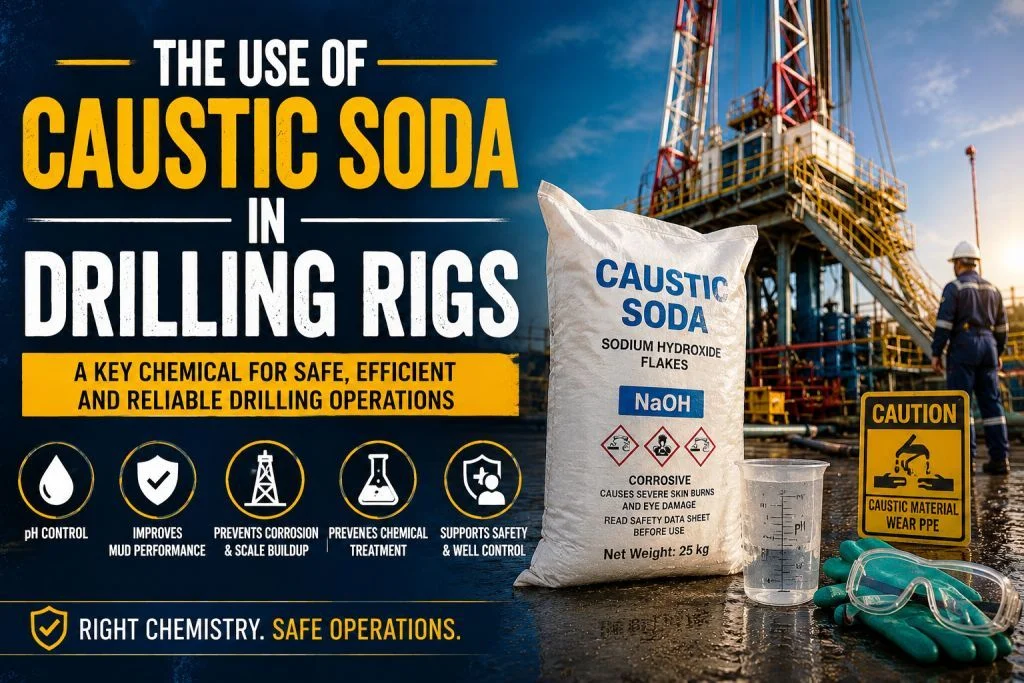
Caustic soda doesn’t mess around. This substance is highly corrosive and reactive, capable of causing severe chemical burns, eye damage, and serious injuries if it contacts your skin or eyes. Handling it without proper protection is like playing with fire, except the damage can be even more immediate and severe.
Anyone working with caustic soda must wear comprehensive personal protective equipment every single time. We’re talking about chemical-resistant gloves (not just any gloves), full-face shields or safety goggles rated for alkaline chemicals, protective clothing that covers exposed skin, and respiratory protection when working in poorly ventilated areas or handling large quantities.
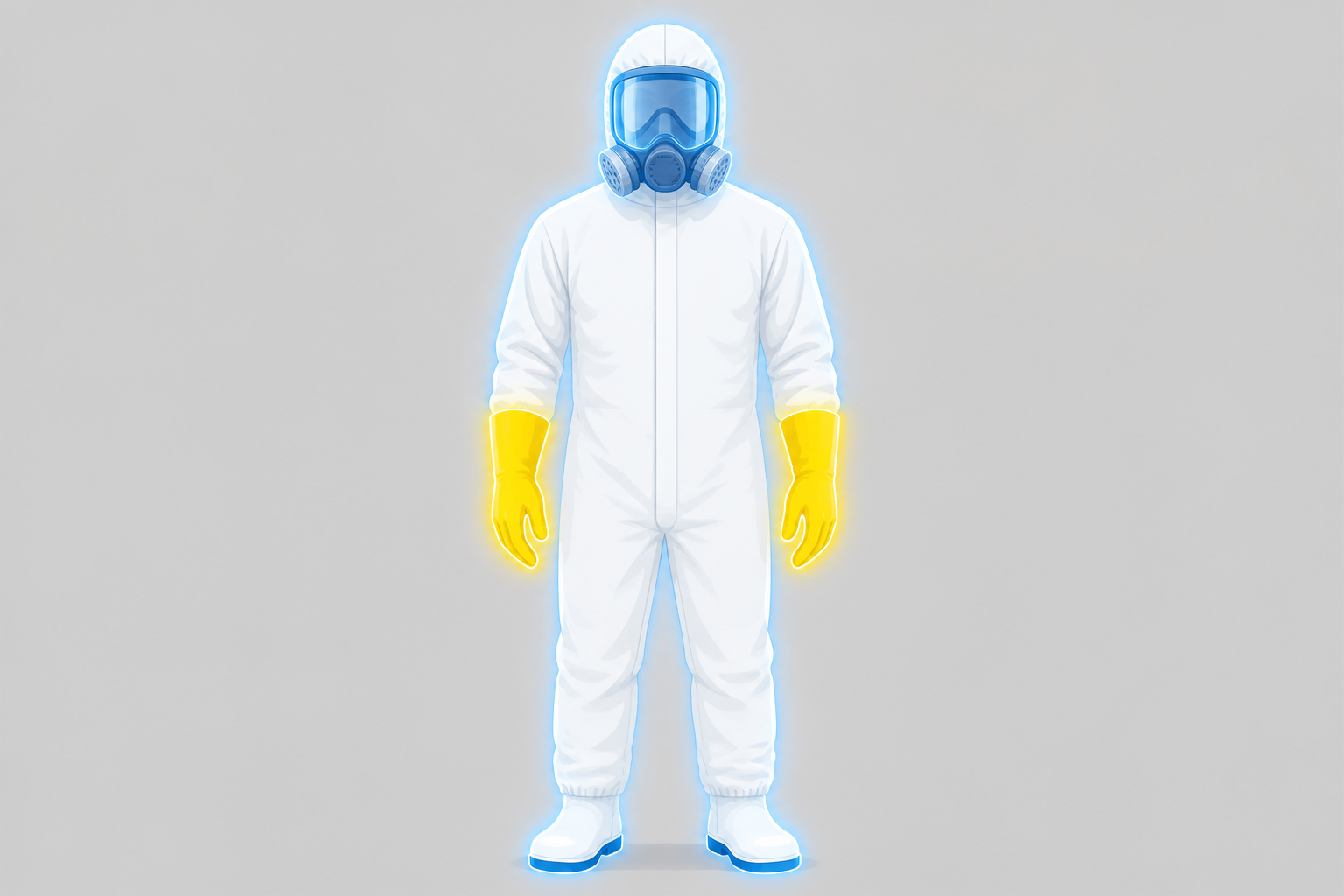 Standard safety glasses won’t cut it here. The stakes are too high.
Never handle caustic soda without being fully protected. Period. The Safety Data Sheet (SDS) for your specific caustic soda product contains detailed precautions, first aid procedures, and emergency response information. This document isn’t optional reading; it’s your essential guide to staying safe. Suppliers like Olin Corporation provide comprehensive SDS documents with their caustic soda products, and these resources should be readily available to everyone on your drilling team.
Emergency eyewash stations and safety showers should be positioned close to where you’re handling caustic soda. Time matters when exposure happens. The faster you can flush affected areas with water, the less damage you’ll suffer.
Proper Mixing Procedures and Storage Requirements
How you introduce caustic soda into your drilling mud system matters just as much as the amount you add. Always add caustic soda slowly to the mud system through a properly designed chemical barrel. Rushing this process creates safety hazards and can damage equipment.
Here’s a critical rule: never mix caustic soda with other chemicals directly, and don’t introduce it through the mud hopper. The chemical barrel method is standard for good reason. When using a chemical barrel, fill it to your desired level with water first. Then add the dry caustic soda slowly.
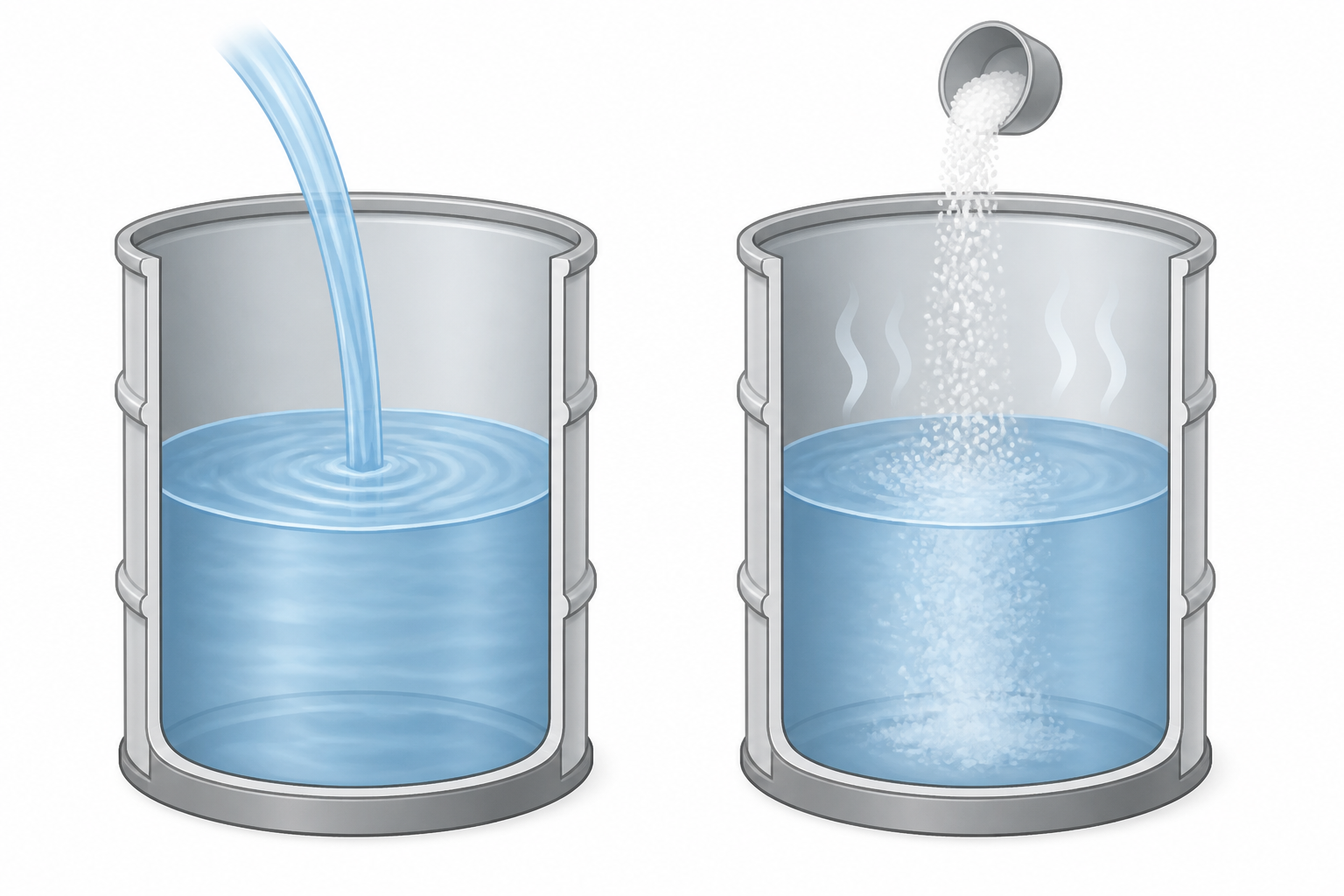 Adding water to caustic soda (rather than caustic soda to water) generates dangerous heat and can cause violent reactions. Remember the old chemistry class saying: always add acid or base to water, never water to concentrated chemicals.
Storage conditions directly affect both safety and product effectiveness. Keep caustic soda at room temperature in a dry, well-ventilated area. Moisture in storage areas can cause containers to corrode and the product to degrade. Containers must stay tightly closed when not in use. Keep them away from heat sources, sparks, flames, and incompatible materials like acids, aluminum, zinc, and certain organic compounds. Caustic soda can react violently with these substances.
Label everything clearly. Storage areas should be restricted to authorized personnel only. Good housekeeping in storage areas prevents accidents before they happen.
Environmental Disposal Guidelines
Disposing of caustic soda and caustic-contaminated materials requires careful planning and strict adherence to regulations. You can’t just dump this stuff down a drain or into a waste pit. Proper disposal procedures prevent soil contamination, groundwater pollution, and harm to aquatic ecosystems.
Controlled handling during disposal requires neutralizing the caustic material first. This typically means carefully adding an acid to bring the pH down to neutral or near-neutral levels before disposal. The neutralization process itself generates heat, so it must be done slowly and with proper safety precautions in place.
Environmental safety standards vary by location. Federal, state, and local regulations all play a role in determining acceptable disposal methods. Your product’s SDS contains specific disposal instructions, but you’ll also need to consult local environmental regulations to ensure full compliance. What’s acceptable in one jurisdiction might be prohibited in another.
Some drilling operations work with specialized waste management companies that handle hazardous chemical disposal. These services understand the regulatory landscape and have the equipment to safely neutralize and dispose of caustic materials. When your operation generates significant volumes of caustic waste, professional disposal services often provide the most compliant and cost-effective solution.
Limitations and Best Practices for Effective Caustic Soda Use
Situational Limitations and Alternatives
Caustic soda isn’t a universal solution for every drilling scenario. It struggles in high-hardness brine environments where other chemistry takes over. Think about drilling operations using calcium chloride brines or complex formations like the Williston, Michigan, and Zechstein brines. In these situations, caustic soda hits a wall.
What happens? The hydroxyl ions from caustic soda react with high concentrations of calcium and magnesium cations present in the brine. They form insoluble precipitates like calcium hydroxide and magnesium hydroxide. These precipitates drop out of solution instead of raising the pH.
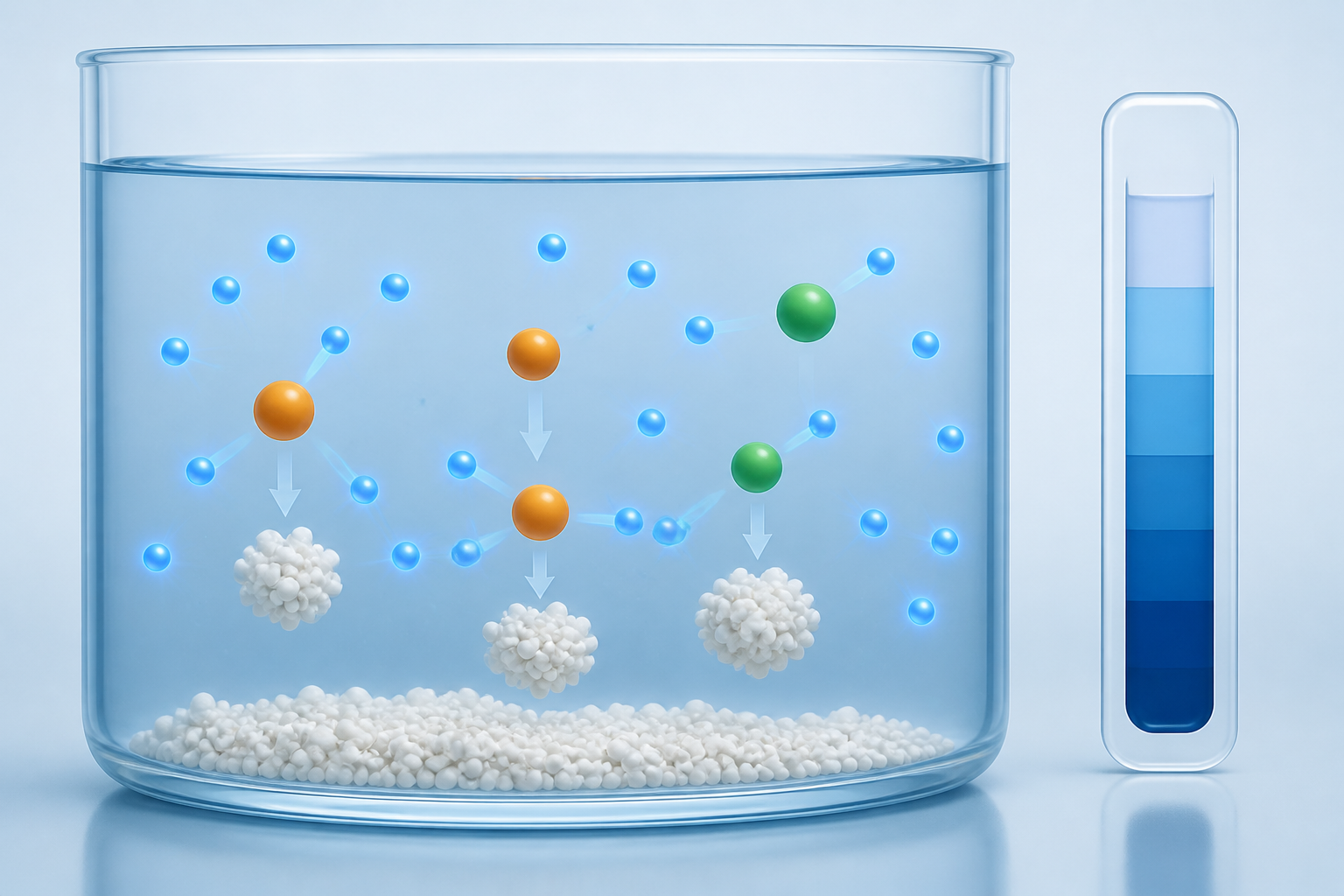 You end up using massive amounts of caustic soda without getting the pH control you need.
This is why understanding your water chemistry before you start mixing is critical. You can’t just dump in caustic soda and hope for the best. Test the water source. Know what cations you’re dealing with. Calculate the hardness levels. Only then can you determine if caustic soda will actually work for your specific drilling fluid.
When caustic soda isn’t up to the task, you need alternative alkalinity control agents. Some drilling operations switch to potassium hydroxide or specialized pH buffers designed for high-hardness environments. These alternatives cost more but deliver the results that caustic soda can’t in challenging brine conditions.
Continuous Monitoring and Training
Setting up your drilling fluid with caustic soda is just the beginning. Real success comes from constant attention to what’s happening in your system. pH levels don’t stay static. They shift as you drill through different formations, encounter contaminants, and introduce new additives.
Regular testing is non-negotiable. Check the pH at least every tour, more frequently if you’re in tricky formations. Monitor caustic soda concentrations to make sure you’re maintaining the right balance. Small deviations caught early save you from major problems down the line.
Your crew needs proper training, period. Caustic soda is dangerous stuff. Everyone handling it should know the safety protocols inside and out.
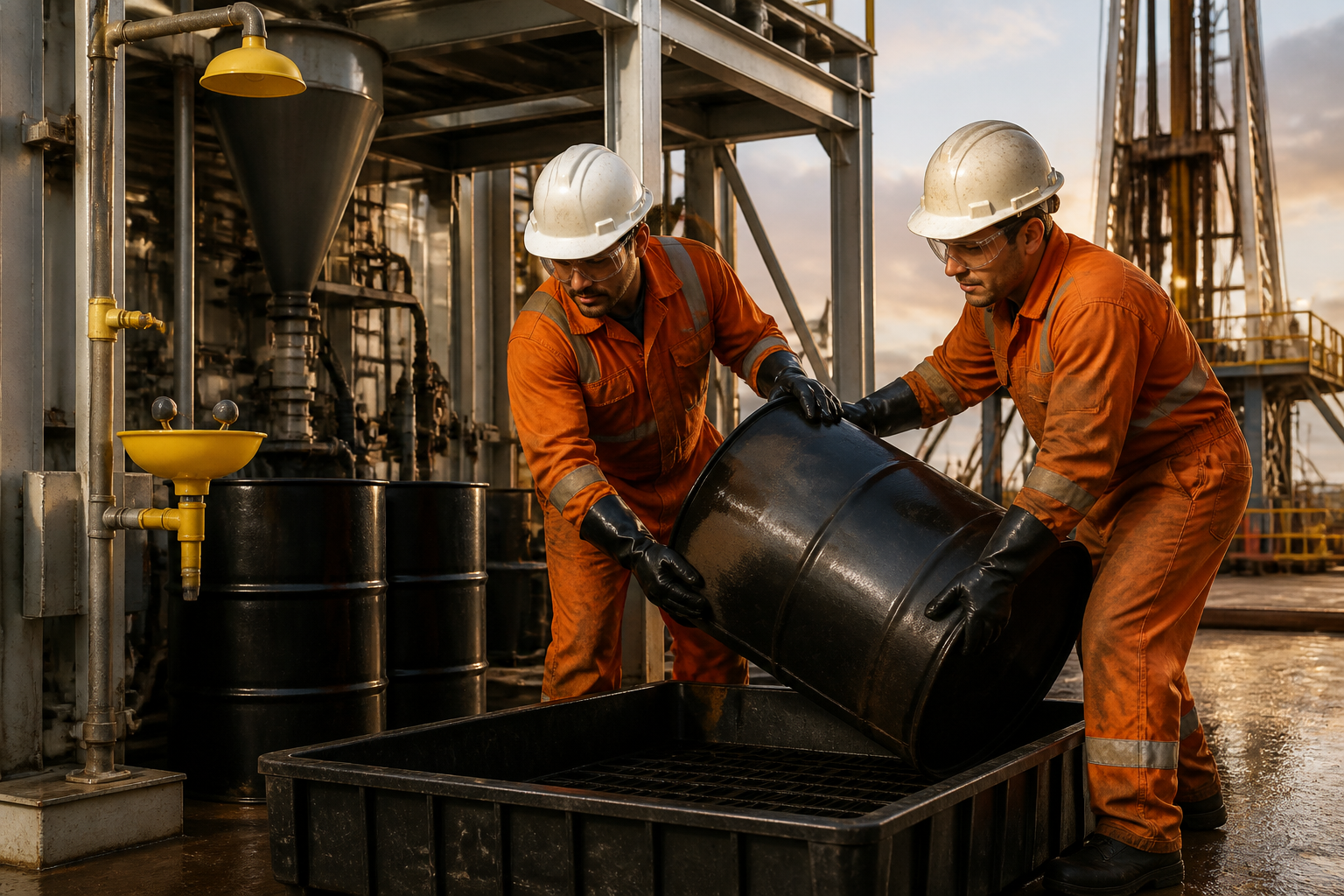 They should understand proper mixing procedures, recognize the signs of exposure, and know exactly what to do in an emergency. A well-trained crew prevents accidents and works more efficiently.
Stick to the manufacturer guidelines and industry best practices. Don’t improvise when it comes to caustic soda. The procedures exist because they work and keep people safe. Suppliers like Schlumberger provide detailed technical information on proper usage and application rates.
Environmental responsibility matters too. Bioassay information is available from most suppliers upon request. This data helps you understand the environmental impact of your drilling fluids and make informed decisions about waste treatment and disposal. Responsible operators use this information to minimize their ecological footprint while maintaining operational efficiency.
Recommended Equipment for Safe Caustic Soda Handling
Working with caustic soda on drilling rigs requires specialized equipment that protects personnel and ensures accurate monitoring. The right tools make all the difference between safe, efficient operations and potential hazards.
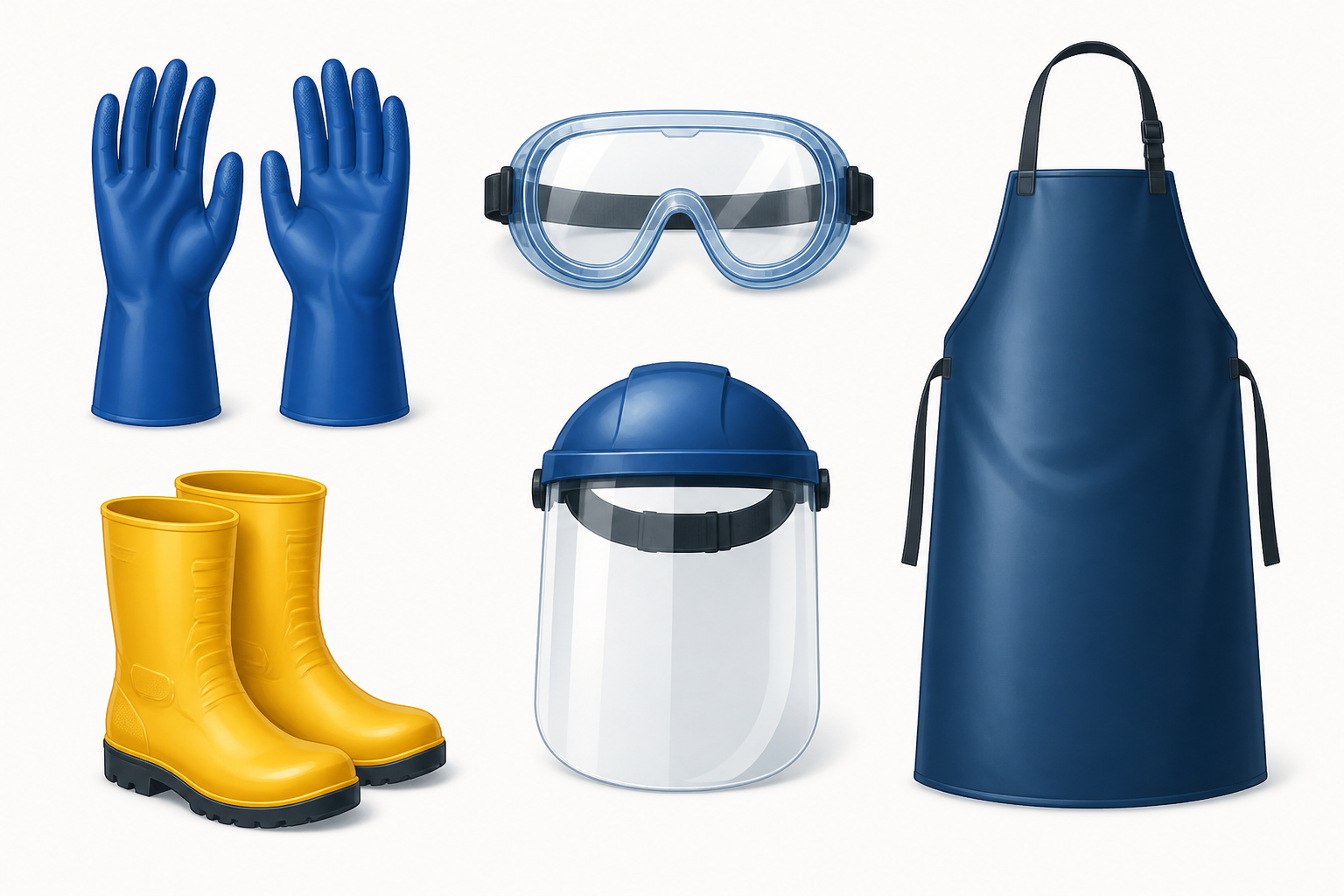
Chemical-resistant gloves are absolutely essential when handling caustic soda. Standard work gloves won’t cut it. You need gloves made from materials like neoprene, nitrile, or butyl rubber that can withstand the corrosive nature of sodium hydroxide. These gloves prevent direct skin contact, which can cause severe chemical burns within seconds.

Chemical splash goggles protect your eyes during mixing operations. Regular safety glasses leave too many gaps. Splash goggles create a seal around your eyes, preventing any liquid from reaching them even if caustic soda splashes unexpectedly. Your vision is too important to risk.

- MEET THE CHEMISTRY GOGGLES YOU CAN WEAR ALL DAY. The TPR frame hugs your face. And the tough polycarbonate lenses shield…
- TREATED WITH PREMIUM ANTI FOG AND SCRATCH RESISTANT COATING. The anti fog PLUS coating keeps your work goggles crystal c…
- SMART INDIRECT VENTS PROMOTE AIRFLOW. The angled vents reduce fogging, and seal the inside of your protective goggles fr…
For added protection during high-risk activities, a full-face chemical splash shield provides an extra layer of defense. This clear shield covers your entire face and works alongside your goggles and respirator when mixing large quantities of caustic soda or working in confined spaces where splash risks are higher.

- SUPERIOR PROTECTION — Experience all-around face protection thanks to the curved design of this faceshield. The visor of…
- ANTI FOG & ANTI SCRATCH COATING — Featuring an impact-resistant visor with an innovative anti-fog & anti-scratch coating…
- FULLY ADJUSTABLE — For optimal comfort and safety, this protective face shield for woodworking features a unique ratchet…
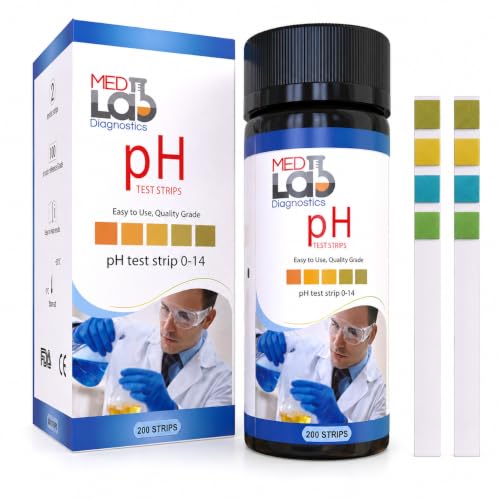
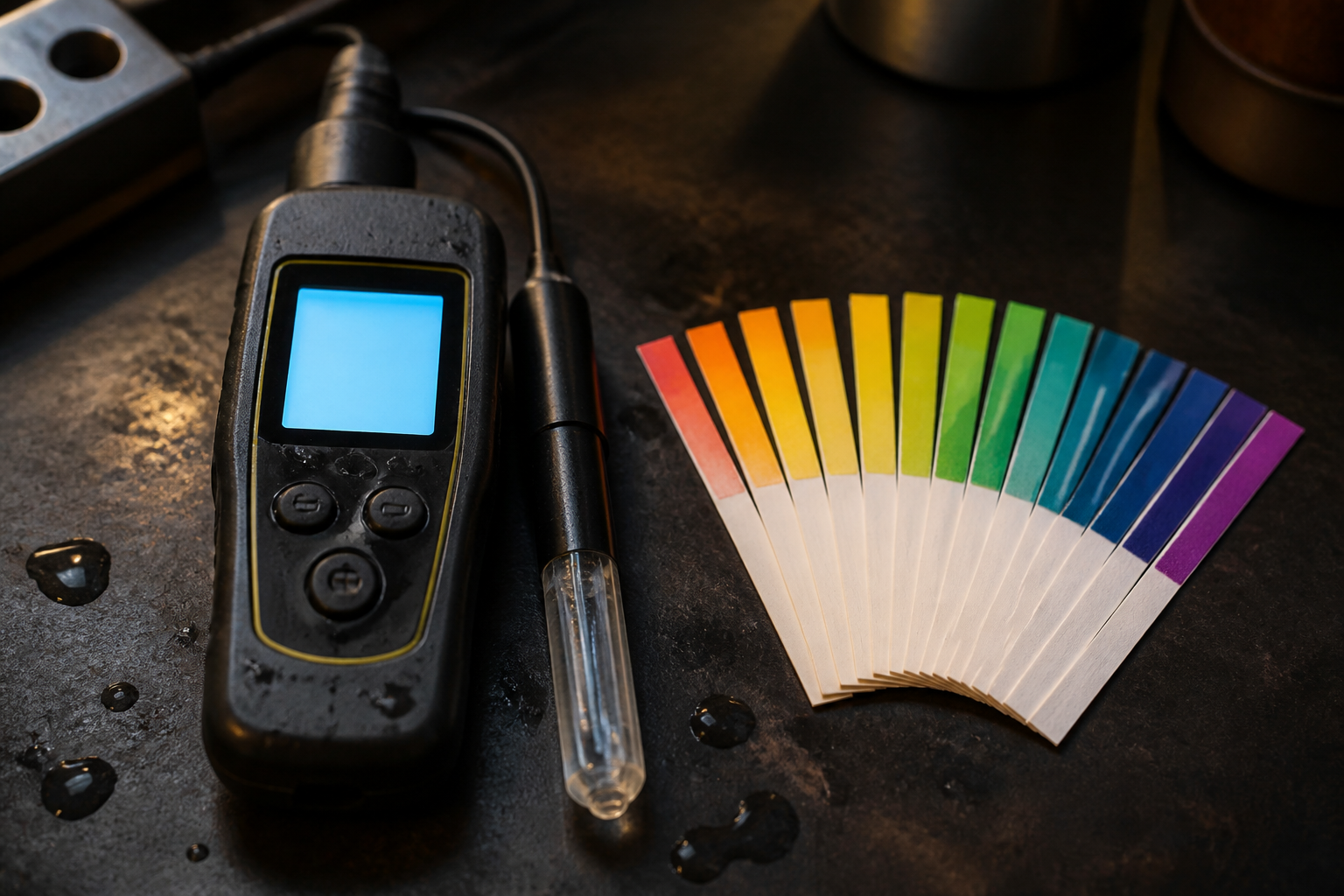 They’re perfect for rapid checks throughout the day and don’t require batteries or calibration.
Digital pH meters are critical for monitoring drilling fluid alkalinity. These devices give you precise, real-time readings of your mud’s pH level, helping you determine exactly how much caustic soda to add. Modern digital meters are rugged enough for rig environments and provide the accuracy needed for maintaining that optimal 8.0 to 10.5 pH range.

- Accurate Test : The Ph Meter With a sensitive electrode sensor ph tester with 0-14.0 measuring range could read accurate…
- Automatic Temperature : This fish tank water testing kit Water Monitor Temperature meter has built-in automatic temperat…
- Simple Calibration : That aquarium water test kit has Three kinds of pH buffer powder are included for conditions requir…
pH test strips offer a quick, inexpensive backup method for field testing. While not as precise as digital meters, these strips give you instant visual confirmation of pH levels.
- Benefits: Use our pH test strips to regularly monitor your body’s ph balance by regularly checking your urine pH.
- Great Feature: Our saliva pH test kit contains 200 pH litmus paper ph test strips. This ample supply offers exceptional …
- Ease of Use: Effortlessly measure pH levels with our ph paper test strips for urine and saliva, ensuring accurate home t…
A chemical-resistant apron protects your torso and legs from spills during mixing operations. Look for aprons made from PVC or rubber-coated materials that tie securely and extend below the knee. Mud mixing areas can get messy, and caustic soda doesn’t care about your regular work clothes.

- Vnyl
- Imported
- COOKING APRON WITH 2 LARGE POCKETS : VWELL chemical apron with 2 large pockets in the middle, for easily holding mobile …
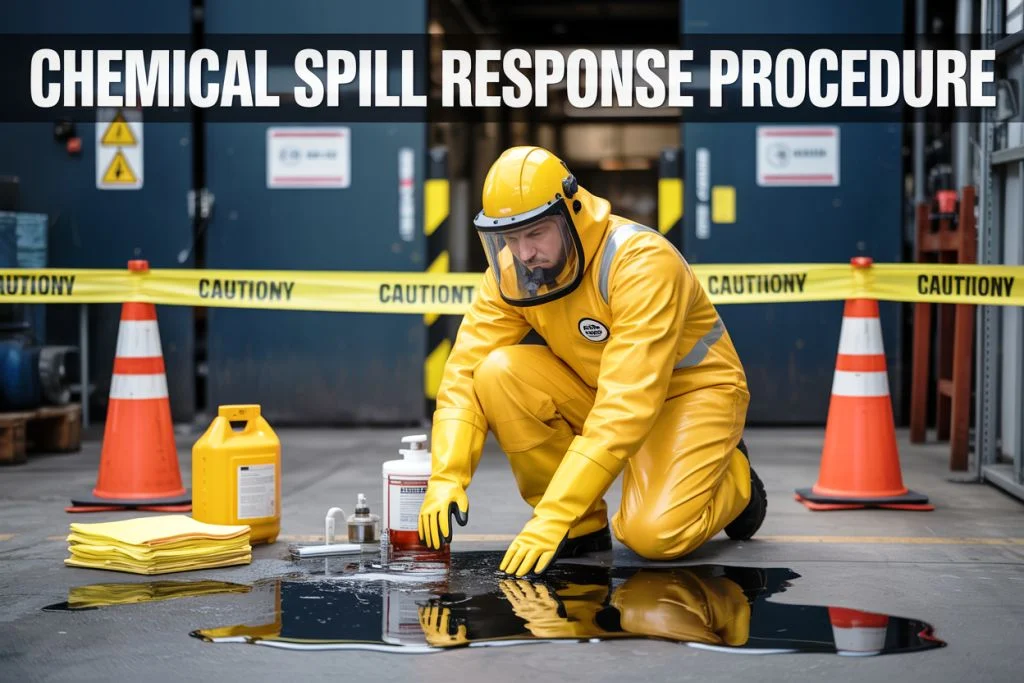
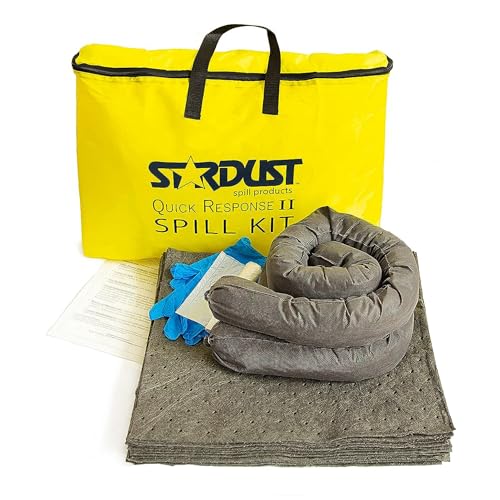
Every drilling location should have a chemical spill kit readily accessible. These kits contain absorbent materials, neutralizing agents, disposal bags, and cleanup tools specifically designed for hazardous chemical spills. When accidents happen, immediate response prevents injuries and environmental contamination.
- QUICK & COMPLETE CLEANUP SOLUTION: Be prepared for any emergency with Stardust Spill Products Universal Spill Kit, the e…
- ABSORBS MANY TIMES ITS WEIGHT: Packed with high-performance materials, our spill kit absorbs up to 25 times its weight i…
- COMPACT, PORTABLE, & ECO-FRIENDLY: Designed for hassle-free mobility, this lightweight spill kit is perfect for vehicles…
Chemical-resistant boots complete your protective ensemble. Steel-toed boots with chemical-resistant rubber construction protect your feet from spills and dropped containers. Regular work boots absorb chemicals, which can cause burns that develop over hours of exposure.

- ATTENTION: PLEASE MIND THE SIZE CHART BEFORE BUYING TO ENSURE THE BOOTS FIT YOU. The sizes 11-14 displayed are for Men.
- Waterproof Material: TIDEWE mud boots, made with 100% waterproof CR Flex-Foam,absorbs impacts, retains heat and flexes w…
- Keep Warm: Heat-resistant insulation prevents radiated body heat from escaping,and returns up to 90% of your body’s warm…
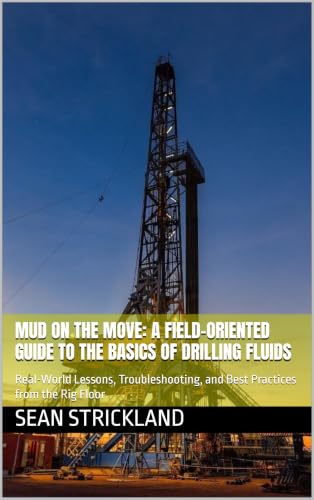
Finally, invest in quality reference materials like the Drilling Fluids Processing Handbook. This comprehensive resource provides detailed guidance on mud chemistry, additive selection, and troubleshooting procedures that help drilling fluid specialists make informed decisions about caustic soda applications and overall fluid management.


2 thoughts on “The Use of Caustic Soda in Drilling Rigs”